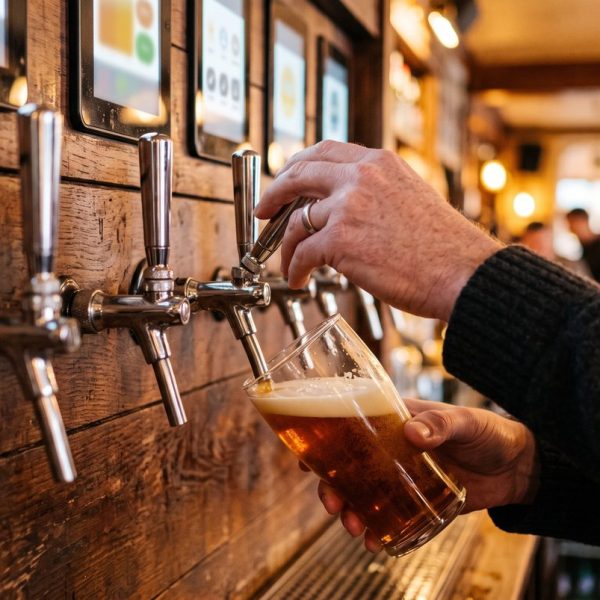
Standing in front of a beer wall with a card in your hand and dozens of taps in front of you is a strange kind of freedom. Nobody is waiting to take your order, nobody is watching the clock, and the only thing standing between you and a very good pint is knowing what you actually like. That is where a working knowledge of the different types of beer earns its keep. Learn the handful of families that almost every beer belongs to, and the wall stops looking like a wall of unfamiliar names. It starts looking like a menu.
The reassuring truth is that beer is far less complicated than the label copy suggests. Nearly everything on tap traces back to two broad camps, and once you can place a beer in one of them, you can make a fair guess at how it will taste before a drop reaches the glass.
Ale vs lager: the split that explains almost everything
The oldest question in the pub is also the most useful one. The ale vs lager divide is not about colour, strength or country of origin. It is about yeast, and about temperature. Ale yeast works warm and near the top of the fermenting vessel, and it works fast, throwing off fruity, spicy compounds as it goes. Lager yeast works cold and slowly at the bottom, and it produces very little of that character, leaving the malt and hops exposed with nowhere to hide.
That single difference cascades into everything else. Ales tend to taste rounder, fuller and more expressive. Lagers tend to taste cleaner, crisper and more precise. A dark lager can be paler in flavour than a pale ale, which is exactly the sort of thing that trips people up when they assume colour tells the whole story. It does not. If you want a deeper history of how the families splintered into the dozens of recognised beer styles we drink today, the record is long and surprisingly political, full of local water chemistry, tax law and accidents of climate.
The ale family, from bitter to stout
Start with the English bitter, still the quiet backbone of the British pub. It is usually modest in strength, gently hoppy, and built to be drunk in company rather than contemplated in silence. Move sideways and you find pale ale, hoppier and brighter, and then the IPA, which turns the hop dial up until you get grapefruit, pine or tropical fruit depending on which hops the brewer favoured.
In the other direction sit the darker ales. A porter gives you chocolate and roasted grain without much weight. A stout takes that further into coffee and dark bitterness, and at its best it drinks far more easily than its colour suggests. Wheat beers, particularly the German and Belgian versions, are ales too, which is why they carry those banana and clove notes that surprise first timers. Belgian abbey styles push the yeast character furthest of all, into dried fruit and warm spice.
Once you can tell the styles apart, the interesting breweries turn out to be scattered across places most itineraries skip entirely. Following them makes a good organising principle for a trip, and it tends to land you somewhere with one main street and a lot of character. Plenty of people plan small town travel around exactly this.
Lagers and the art of restraint
Lager has an unfair reputation in Britain, mostly because the mass market versions are engineered to be inoffensive. Done properly, it is one of the hardest things a brewer can attempt, because there is nowhere for a flaw to hide. A good Czech pilsner is bracingly bitter and full of soft bready malt. A German helles is rounder and maltier. A Bavarian dunkel is dark, nutty and still remarkably light on its feet. Many of the names on the tap wall come straight from German-speaking countries, which is no accident, since the brewing tradition there codified most of these styles centuries ago.
How to run your own beer tasting
A self pour setup is the ideal place for a beer tasting, because you can take a third of a pint of five different things instead of committing to one you might not enjoy. Work from light to dark and from low bitterness to high, so a delicate helles is not flattened by a stout you drank first. Take a small pour, hold it to the light, smell it properly before you sip, and give yourself a moment to decide what you actually taste rather than what the tap badge told you to expect.
Matching beer with what is on your plate
Beer is a far more forgiving partner at the table than wine. The broad rule is to match intensity and then either echo or cut. A crisp pilsner cuts through fried food and salt. A malty amber ale echoes the caramelised crust on a burger or a roast. A stout sits happily beside chocolate, and a hoppy IPA can stand up to spice that would flatten most wines. Dining culture around the world has grown steadily more adventurous about this, from long shared tables to the enormous spreads of a weekend brunch in Dubai, and beer has quietly followed the food into places it never used to go.
Pouring it right
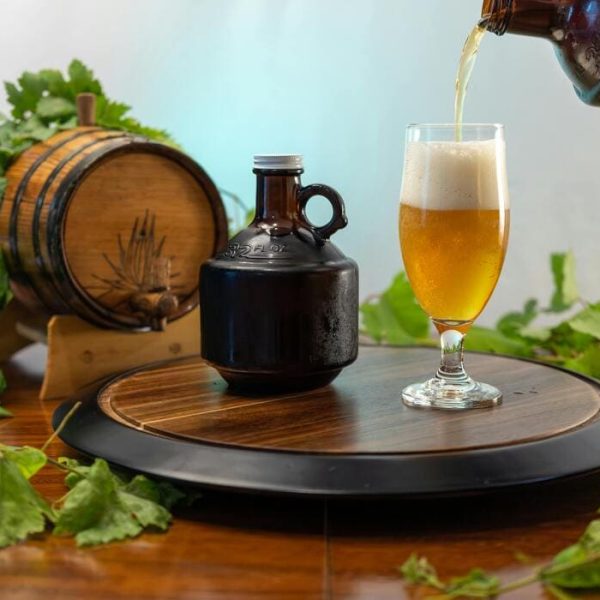
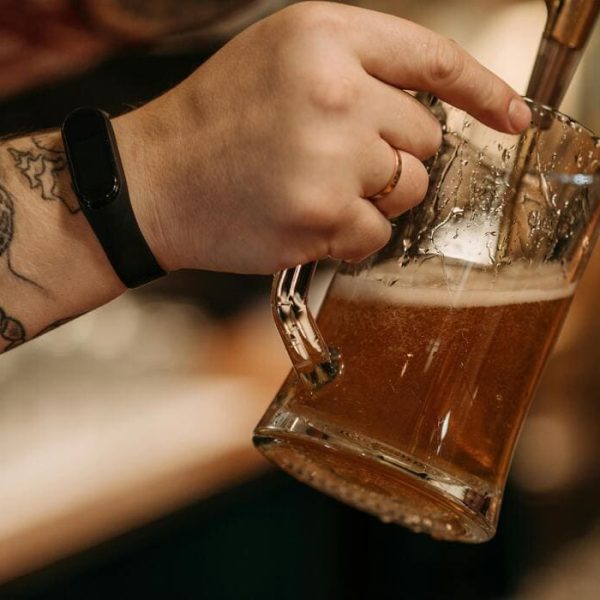
None of this survives a bad pour. Tilt the glass at roughly forty five degrees, start slowly, and straighten it as it fills so the last of the pour builds a proper head. That head is not waste. It holds the aroma, and aroma is most of what you experience as flavour. Cold, clean glassware matters more than people think, and a beer served too cold will simply refuse to show you anything.
Beyond that, the best way to learn is to drink attentively and talk to people who are further along than you. Communities like the r/beer forum are full of unpretentious advice from drinkers who are happy to explain why a particular style tastes the way it does. Bring that curiosity to a self pour wall and the whole exercise changes character. You stop ordering the same thing out of habit and start finding out, one third of a pint at a time, what you genuinely like.