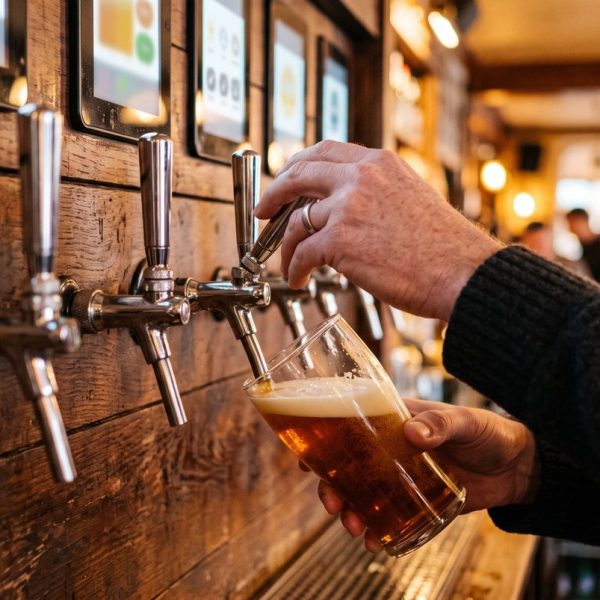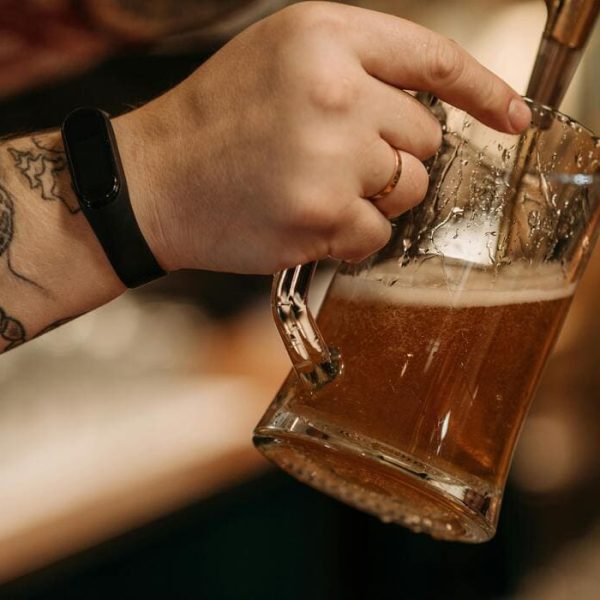
A group of friends walks into a pub in the middle of a busy city on a Saturday night. Two of them are visiting from abroad. The wall is lined with beer taps and a screen shows prices by the ounce. Nobody behind the bar is free to explain. One visitor taps a card on a reader and pulls the wrong handle. Beer foams everywhere and the group laughs but the visitor feels foolish. A clear sign in her own language would have saved the moment.
Self serve drinks are a fun idea and they bring a special kind of language challenge. Customers do the work themselves so the instructions must be perfect. How to start a tab and how to pour and how to pay all need simple words. The same goes for notices about age checks and limits on drinks. A confusing sign leads to waste and queues and awkward conversations with staff.
Cities like Leicester welcome students and workers and visitors from every part of the world. A pub in a historic area sees tourists at lunchtime and residents in the evening and groups from many language backgrounds on match days. Each group arrives with different habits. Some expect table service. Others expect to order at a bar. A few have never used a card reader for a drink. Even a simple screen prompt can look strange to someone who has never seen one.
Many venues solve this with a few lines of English and a friendly smile. That works for some guests and fails for others. It also puts pressure on staff who must explain the same steps again and again on a busy night. Good written guidance frees the team to do what they do best which is to look after people. It also reduces the small mistakes that cost money over a whole season.
This article explains how bars and pubs can prepare clear multilingual guidance for customers. It covers instructions and menus and safety notices. The ideas fit a small local pub as much as a busy venue with dozens of taps. None of them needs a large budget. All of them need some thought before printing.
Choose the Right Languages
Start with data. Look at who actually visits and ask staff which languages they hear most. Student numbers and nearby events can also shape the choice. Two or three well chosen languages beside English often cover most guests. Specialist hospitality translation services understand how pubs and hotels talk to customers and they know which words feel warm and which feel cold.
Plan to revisit the list each year. Student groups change and so do local festivals and sports fixtures. A short review with the team every few months keeps the signs useful. Keep the original English text and the translations together in one shared file so that updates reach every version at the same moment. Professional translation services can manage that file for you and flag any line that changed since the last print run.
Write Short and Test on Real Guests
Bar menu translation works best when each item uses one clear name and a short description. Avoid slang and clever puns because they rarely survive the journey into another language. Use the same terms for styles and sizes and prices on every sign. Where a drink has a traditional name keep it and add a few words that explain it. A visitor who knows what a bitter or a stout tastes like can choose with confidence.
Instruction signs need even more care. Use numbered steps with one action each. Add simple pictures next to the words. Place each sign at eye level beside the equipment where the guest needs it. A sign hidden behind a coat rack or a door does not help anyone. Ask a few visitors to follow the steps without help and watch where they pause. Every pause shows a sentence that needs a rewrite.
Safety and Responsible Service
Notices about age checks and drink limits are a matter of trust and law. They must be precise and they must be easy to understand. Our guide on cultural customs around the world shows how habits around drinking and service differ between countries and why plain explanations help. The Portman Group publishes guidance on responsible drinks marketing and information that venues can reflect in their wording.
Industry bodies also offer practical support. The BBPA speaks for British brewers and pubs and shares resources on running safe and welcoming venues. Allergen information deserves special attention. Guests must be able to spot allergen warnings in their own language. Use fixed wording for each allergen and ask a qualified translator to check it. Rules differ by country and by product so confirm the current requirements for your own venue.
Keeping Everything Up to Date
Menus and prices change often. Build a simple routine so that every update reaches every language. Mark the changed lines in the source and send only those for translation. A translation memory stores approved phrases so that repeated terms stay consistent and cost less over time.
Digital screens make updates easy but they need the same care as printed signs. Check how longer words fit on the display and whether special characters appear correctly. Words in some languages can run far longer than their English partners and may overflow a small box. Test the screen from the back of the room and in bright light. A small fix now can prevent many confused customers later. Keep a record of each version and the date so that nobody prints an old sign by mistake.
A pub that explains itself clearly feels generous. Guests stay longer and spend more and tell friends about the experience. Staff spend less time repeating instructions and more time chatting with customers. Treat written guidance as part of the service and every visitor will feel at home from the first pour.