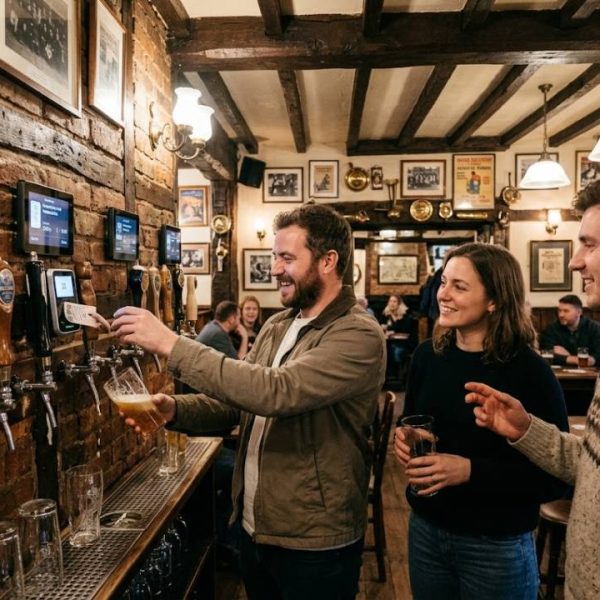
The British pub has survived wars, trends and changing tastes by doing one thing well: giving people a place to meet. Now a new idea is making that old tradition feel fresh. Self serve beer, where guests pour their own drink from a tap wall, is turning an ordinary Friday into something more playful and social.
How self serve beer works
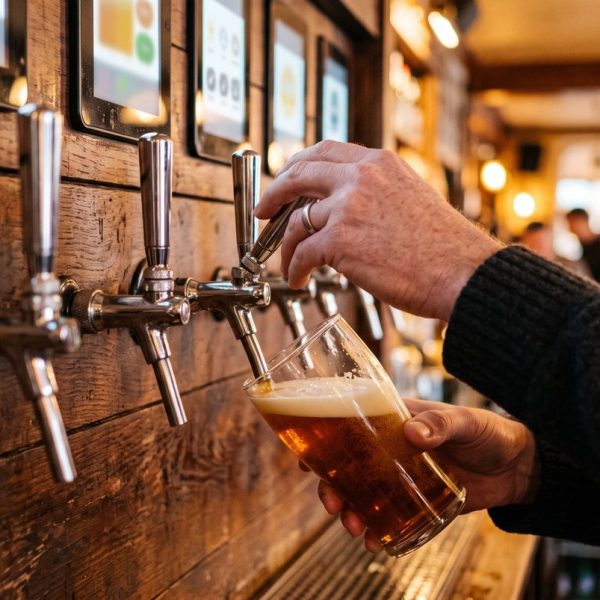
The idea is simple. Instead of queuing at the bar, you load a card or wristband with credit, walk up to a row of taps and pour what you like. The system measures every pour and charges you by volume, so you pay only for what you take.
Most venues let you try a small sample first. That lowers the risk of buying a full pint of something you do not enjoy, and it turns tasting into part of the evening.
Self serve works because it gives the guest control over what they drink, how much and when.
Why Leicester is a natural fit
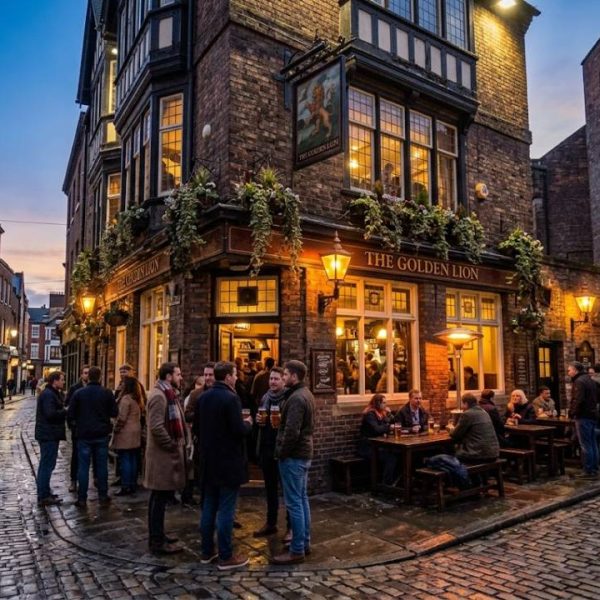
Leicester is a young, diverse city with a lively mix of students, workers and families. Its historic center offers old buildings and narrow streets, and pubs there have long been part of daily life. A venue that blends that heritage with a modern way to order feels at home here.
The city also has a strong appetite for new experiences. Groups looking for something different on a night out are often happy to try a format that is easy to learn and fun to share.
The benefits for guests
The first benefit is choice. A wall of taps can hold local ales, lagers, stouts, ciders and seasonal guests, all in one place. You can sample three small pours and then settle on a favorite.
The second is speed. There is no waiting for a busy bartender on a crowded Saturday, and rounds no longer fall to one unlucky person. Everyone pours their own and pays their own tab.
The third is control over spending. Because you pay by the ounce, it is easy to watch what you drink and what you spend, which suits those who want a quieter evening.
What it means for staff
Self serve does not remove the need for people. Staff move from pouring drinks to hosting. They greet guests, explain the system, recommend beers, keep tables clean and watch for anyone who has had too much.
That shift can improve service. A team that is not tied behind the bar has more time to talk, and conversation is what makes a pub feel like a pub.
Responsible drinking built into the system
Good venues use the technology to promote safer drinking. Pour limits, tab caps and staff checks at the door of the tap wall help prevent overconsumption. Identification is checked before a card is loaded, so only adults can use the taps.
Guests should still look after themselves and each other. Alternate beer with water, eat something, plan how you will get home and never drink and drive. The charity Drinkaware offers clear and practical advice on staying within sensible limits.
Tips for your first visit
Go with a group of friends and start with small tasting pours. Ask the staff which beers are new or local, and try something outside your usual choice. Read the tasting notes on the screens, which often explain strength, flavor and style.
Keep an eye on your running total, and agree with friends how you will split any shared food. Most venues also serve snacks and meals, so you can balance the beer.
Beer styles worth trying
A good tap wall covers many styles. Pale ales and IPAs bring citrus and floral hops. Lagers are crisp and refreshing. Stouts and porters offer coffee and chocolate notes, while sour beers add sharp, fruity surprise.
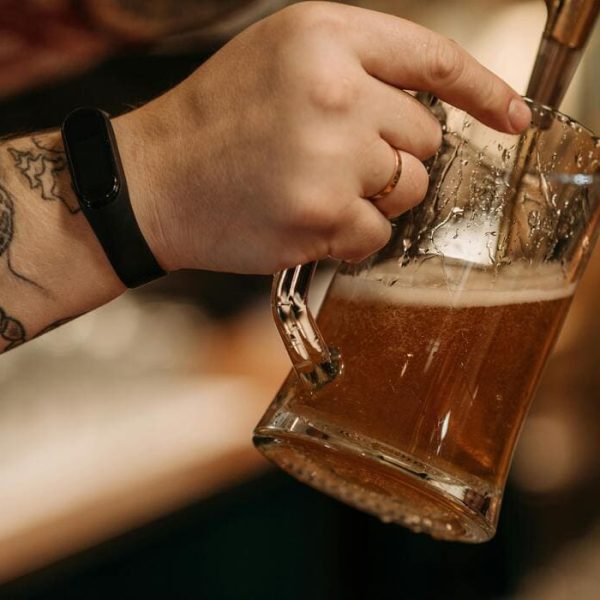
One style rarely gets the tap wall treatment, and it is worth seeking out at a proper bar instead. cask ale is served from the cask it finished conditioning in, pulled through a handpump without extra gas, which keeps it lightly sparkling rather than fizzy. That gentle handling suits malty bitters especially well, letting the grain and hop character show at cellar temperature. If a self pour wall teaches you what you like, a well-kept cask shows you how those flavours were traditionally meant to taste.
If you are new to craft beer, start with a lighter style and move up in intensity. There is no wrong order, only your own taste.
Welcoming every guest
A city as varied as Leicester has visitors and residents from many language backgrounds. Instructions for loading a card, explaining pour limits and showing house rules need to be clear to everyone. If a guest cannot understand how the system works, they may feel left out or make costly mistakes.
Venues that want to serve all their customers can invest in translation services for signs, menus and websites. Multilingual instructions are a small cost that makes a bar friendlier and fairer.
Global brands learned this lesson the hard way. This piece on global brand fails and the need for localization shows how a careless message can damage trust, and why local businesses benefit from getting words right.
The future of the pub night
Self serve will not replace the classic bar, and it does not need to. It adds a new option, one that suits curious drinkers and groups who like to take their time. Traditional pubs and modern formats can live side by side and strengthen each other.
What matters most is the atmosphere. Good company, fair prices, interesting beer and a team that cares will always win, no matter how the pint reaches the table.
Self serve beer keeps the heart of the pub, friendly company, and adds choice, speed and a touch of play.