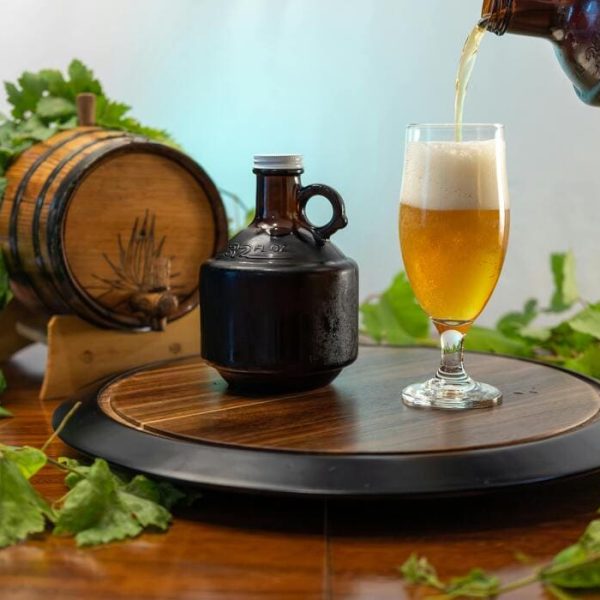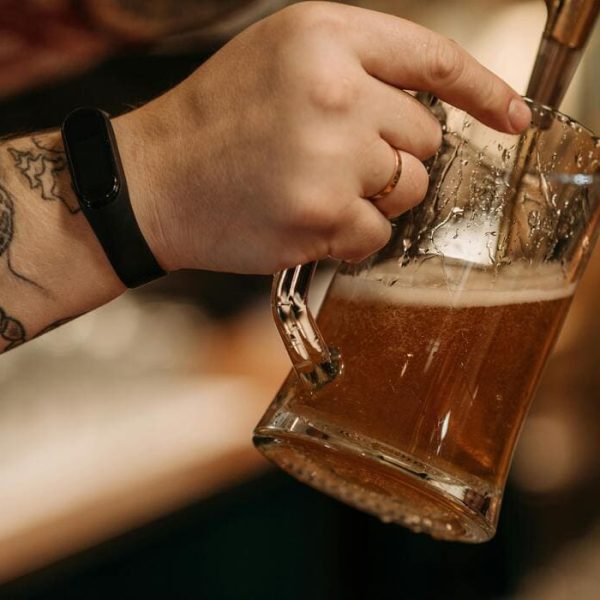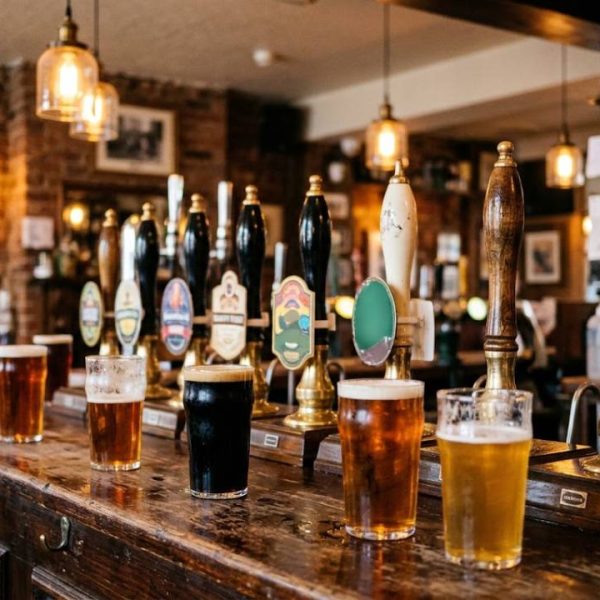
A good pub is the living room of a neighbourhood. Regulars have their favourite stool, newcomers feel welcome after one friendly nod, and the person behind the bar knows what to pour before you ask. That atmosphere does not have to disappear when the guest at the door speaks another language.
With a few small habits, any pub can make visitors from abroad feel as comfortable as the locals, and turn a single pint into a lasting memory of the town.
Start With the Door and the Sign
First impressions form before anyone orders. A clear sign showing opening hours, a friendly greeting in two languages and a simple note about whether children or dogs are welcome helps visitors decide to step inside without worry.
People enter places where they feel understood from the very first glance. A hand written chalkboard with a welcome line in several languages costs almost nothing and makes a strong impression.
Make the Tap List Easy to Read
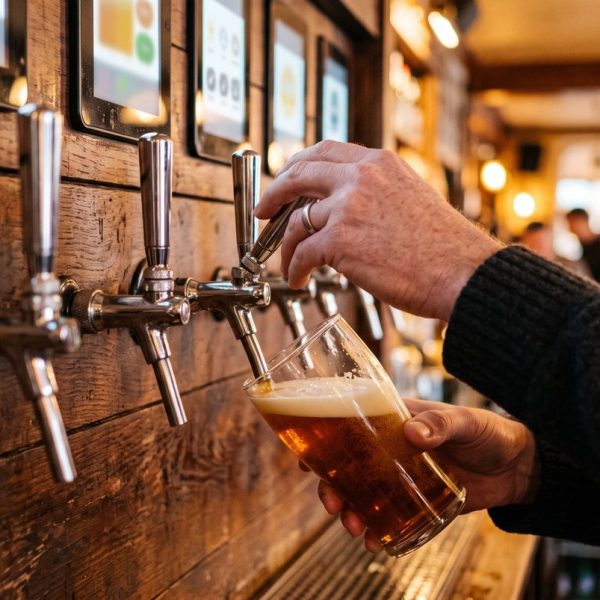
Craft beer fans love details: style, strength, origin and flavour. A tap list that explains each beer in plain words, with a short taste note, helps every guest choose without feeling lost. Avoid jargon where you can, or add a short glossary at the back of the menu.
Icons for allergens, vegetarian dishes and alcohol free options add clarity. Visitors who cannot ask questions in English will thank you for every symbol they can understand at a glance.
Welcome German Speaking Visitors
Germany has one of the strongest beer cultures in the world, and German visitors are often curious how a local pub compares. They enjoy talking about hops, brewing methods and traditions, and they appreciate staff who show interest in their own favourites.
Pubs that prepare menus and notes with the help of german to english translation and the reverse can explain house rules, daily specials and event nights clearly, which prevents small misunderstandings about food, payment or table service.
Train Staff in Five Useful Phrases
Staff do not need to speak many languages. Five phrases per language go a long way: hello, please, thank you, cheers and the bill, please. Print them on a card kept behind the bar and practise them during quiet shifts.
Visitors notice the effort immediately. Even an imperfect attempt tells them that the pub cares about their experience, and guests usually respond with patience and warmth.
Explain Local Customs Kindly
Every country has its own pub habits. In some places you order at the bar and pay at once, in others a server brings drinks to the table. Tipping customs and round buying also surprise visitors.
A short friendly note on the menu or a card on the table explaining how things work saves awkward moments. Keep the tone light and welcoming, as if you were explaining the rules of a favourite game to a new friend.
Budget Smartly for Translated Materials
Many owners worry that translated menus and signs will be expensive. The cost depends on length, language and urgency, and short, stable texts such as house rules and tap descriptions are inexpensive to prepare.
Understanding translation cost before you start lets you decide what to prioritise. Begin with the menu and the welcome sign, then add event posters and website pages as your budget allows.
A pub that welcomes anyone, as the article describes, does it through small signals: a legible menu, clear prices and staff who do not make a visitor feel like an inconvenience. Businesses serving international customers at scale need the written half of that handled properly rather than improvised. Hospitality groups working with Gulf visitors often add arabic translation services for their menus and guest information, which is a cheaper way to be hospitable than hiring for every shift.
Use the Menu as a Storyteller
Every beer has a story: the brewer, the village, the water, the recipe. Short notes on the menu turn a drink into a conversation. Visitors love to hear where something comes from, and the story stays with them after the glass is empty.
Work with a native speaker to keep the tone natural, because a literal translation of a witty description can sound strange. A short review pass is worth the effort.
Learn From the Wider Pub Community
Campaign groups such as the Campaign for Real Ale publish guidance on cask beer, pub culture and beer styles that landlords can share with curious guests. Linking your own notes to trusted sources builds confidence and credibility.
Many pubs also join local tourism networks, which can list opening hours and events in several languages and bring in visitors who would never find the pub on their own.
Keep the Website and Social Pages Aligned
Visitors usually look online before they arrive. An up to date page with opening hours, address, menu highlights and a short welcome in more than one language makes their decision easy.
Make sure every channel says the same thing. A different closing time on social media and on the door leads to frustrated guests who travelled a long way.
Host Events That Bring People Together
Quiz nights, tasting evenings and music sessions create natural conversations. Add a bilingual host or a printed quiz sheet in two languages, and the whole room joins in together.
Invite local brewers or visiting guests to share a story about their drink. These evenings often become the most talked about moments of a holiday.
Handle Complaints Gracefully
Even in the best pub, things sometimes go wrong. A warm tone, a calm explanation and a quick fix solve most problems. When a language barrier makes things harder, slow down, use simple words and show the guest what you mean.
Thank guests for feedback in writing too. A short note on the receipt or the website helps them feel heard.
Final Thoughts
A pub that welcomes guests from anywhere does not need grand gestures. It needs clear signs, friendly habits and a willingness to explain.
Start with one menu and one sign, listen to what visitors say and keep improving. Before long, your regulars will be sharing a table with travellers from half a dozen countries.